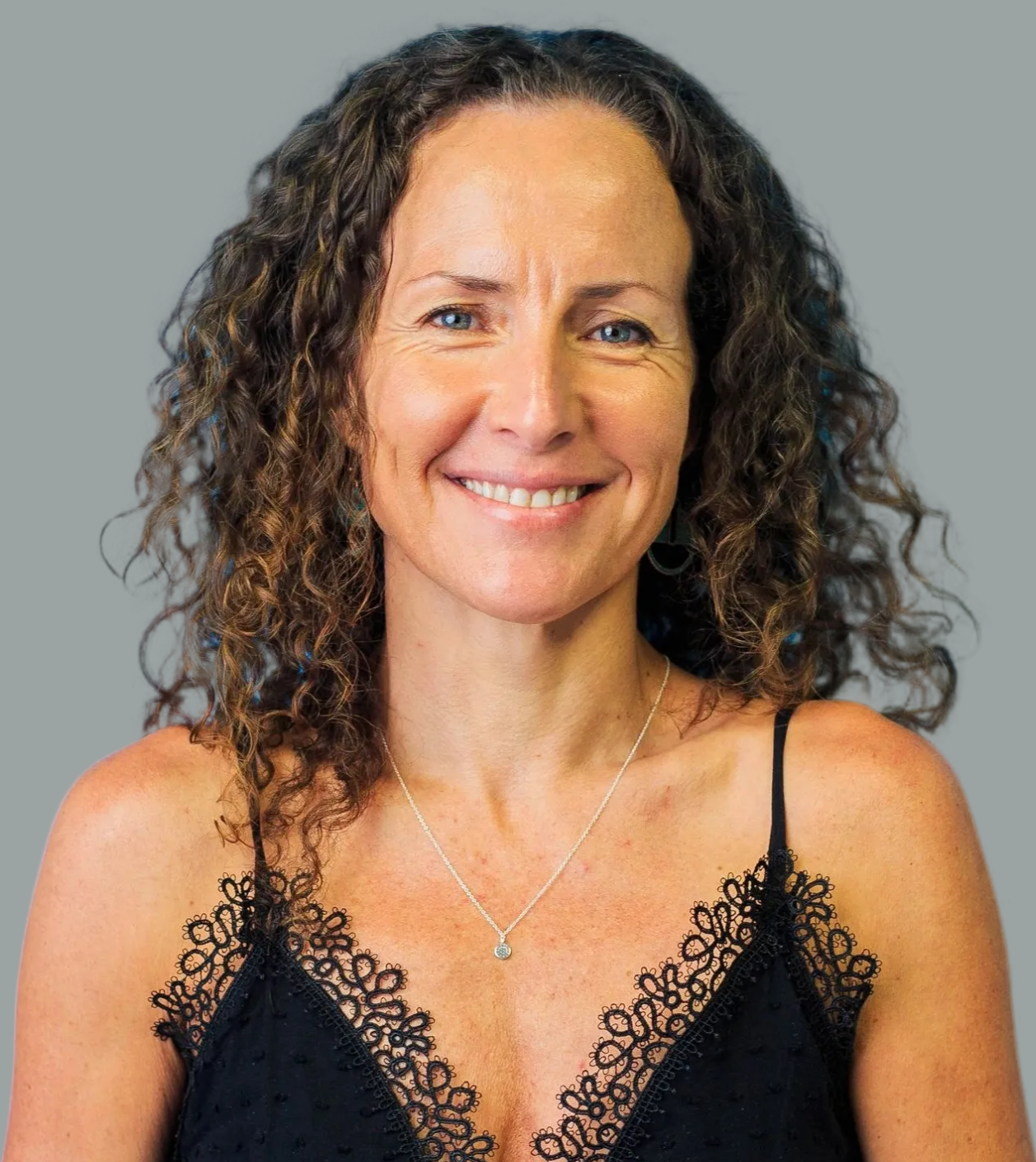
Hi, I’m Corlette.

If you’ve found your way here, you’re likely someone who doesn’t quite fit into conventional ways of doing things, and that’s exactly the kind of work I’m drawn to.

My work is shaped by both professional training and lived experience including recovery, navigating complexity within my own family, and learning to work with my own neurodiverse wiring.

Over time, this has led me to an integrative approach that brings together practical tools, embodied awareness, and real-life insight.

Where Insight Meets Real Change

My work is deeply shaped by lived experience.

Over seven years ago, I began my recovery from substance abuse through AA — a turning point that changed how I understand patterns, coping strategies, and emotional responses.

Through recovery, and later work with CoDA and Al-Anon, I came to better understand the role of boundaries, nervous system sensitivity, and codependent patterns.

Another important part of my journey has been navigating complex mental health challenges within my own family.

As a single mother, I supported my daughters through very different challenges, including severe mental health difficulties and neurodiversity. This meant learning to balance compassion with boundaries, care with accountability, and supporting them while also holding myself steady.

During this time, I also came to better understand my own neurodiverse wiring, including ADHD and autistic traits. What once felt like personal shortcomings began to make sense in a different way.

This shift allowed me to start working with my nature, rather than constantly pushing against it.

Today, my lived experience shapes how I support others, particularly those who feel out of step with conventional systems. I support and guide my clients with empathy, practical understanding, and deep respect for different ways of functioning.


Lived Experience

My work is deeply shaped by lived experience.

Over seven years ago, I entered recovery from substance abuse through AA. That experience became a turning point in my life, opening the door to a deeper understanding of the patterns and coping strategies that had shaped how I responded to stress, pressure, and emotional intensity.

Through recovery — and later through work with CoDA and Al‑Anon — I began to see more clearly the roles that nervous system sensitivity, boundaries, shame, perfectionism, people‑pleasing, and codependent dynamics had played in my life.

Another important layer of my journey has been navigating complex mental health challenges within my own family. As a single mother, I supported my daughters through very different struggles — one experiencing severe mental health difficulties during adolescence, and another living with neurodiversity. Both are highly sensitive individuals, and helping them find their way within school and social systems largely designed for neurotypical ways of functioning was both challenging and deeply formative. It required learning to balance compassion with boundaries, love with accountability, and care for others with care for myself. Today, both are finding their own ways forward.

During my recovery, I was also formally assessed and came to better understand my own neurodiversity, including ADHD and autistic traits. What once felt like personal shortcomings began to make sense through a different lens. Recognising the role of nervous system sensitivity, behavioural patterns, and neurodiverse wiring allowed me to begin working with my nature rather than constantly pushing against it.

This understanding now informs how I support others — particularly neurodiverse individuals, highly sensitive people, and those who often feel out of step with conventional systems — with greater empathy, practical strategies, and respect for different ways of thinking and being.

An Integrative, Practical Approach

My work draws on a fusion of practices and perspectives rather than a single fixed method.

I meet each person where they are, recognising that everyone arrives with their own history, challenges, strengths, and way of experiencing the world. The way we work together is shaped around that.

I see my role as a bridge: connecting practical psychological tools with embodied and experiential approaches that support the mind, body, and nervous system.

My understanding of embodiment is not only theoretical. Through years of experience as an open water swimmer and swimming instructor, along with practices such as yoga and TRE (Tension & Trauma Releasing Exercises), I have seen how working with the body can profoundly influence emotional regulation, resilience, and overall wellbeing.

There is no single formula that works for everyone. My approach is therefore adaptable, collaborative, and grounded in curiosity. Together, we explore what genuinely supports you.

A central part of this process involves shifting the relationship we have with ourselves. Many people live with a strong inner critic or patterns of self-judgement that quietly shape their choices and relationships.

Through reflection and practical tools, we begin to recognise these patterns and develop more supportive ways of responding.

Tools I draw on include:

• DBT skills for emotional regulation and distress tolerance
• nervous system awareness and regulation
• mindfulness and embodied practices
• boundary work and recovery principles
• self-compassion and reflective practices
• insights from frameworks such as the Enneagram, where useful

Learning to Work With My Wiring

Over time, I realised that much of my struggle came from trying to function in ways that were not aligned with how my nervous system naturally works.

Instead of constantly pushing through overwhelm, I began building more supportive foundations, clearer boundaries, more realistic rhythms, regular breaks, and practical routines that protect and nurture my wellbeing.

This shift moved me away from constant self-criticism and towards greater self-understanding and acceptance. Rather than trying to fit into systems that were never designed for how my mind works, I began learning to work with my wiring.

At the same time, I believe that understanding our wiring does not mean withdrawing from the world. The real growth lies in learning how to function sustainably within the systems we live in, even when they are not designed for neurodiverse or highly sensitive minds.

Through my work with creatives and complex projects, I’ve seen how intelligent, imaginative people often struggle with overwhelm, chaos, and unrealistic expectations. What helps is not forcing rigid systems, but creating supportive foundations,  clear priorities, sustainable rhythms, and practical structures.

This continues to shape how I support others: helping people honour their wiring while building the resilience and structure needed to navigate modern life.

Professional Background

My work is supported by both formal training and hands-on experience in mental health and wellbeing.

I am an Accredited Wellness Counsellor (ASCHP), hold a BA in Health Psychological Counselling (UNISA), and am a certified DBT practitioner.

I have worked alongside the Centre for Public Mental Health (UCT) and within NGO and counselling environments, contributing to community-based mental health initiatives.

Alongside this, I spent several years working in high-pressure, real-world environments,  including project management and supporting creatives and neurodiverse individuals. This is where I began to see the gap between psychological insight and everyday functioning, and started integrating practical tools with emotional awareness.

Since 2020, I have also supported individuals in recovery, walking alongside people navigating sobriety and emotional healing.

Movement and embodied practice have been a consistent part of my work. As a qualified swimming instructor and my own practice of yoga and training in TRE, I have seen how working with the body can support emotional regulation and lasting change.

My work continues to be shaped by formal training, lived experience, and a commitment to practical, integrative support.